Prevent Backups Before Your System Fails
General Septic Service in Warner Robbins for homes facing slow drains or overdue tank maintenance
ASAP Septic, LLC delivers general septic service in Warner Robbins for homeowners and commercial property owners who need pumping, inspections, repairs, and new system installation. You call when wastewater backs up into sinks, when grass above the drain field stays wet even in dry weather, or when a real estate inspection requires documentation of a functioning septic system. The work covers routine maintenance that prevents drain field saturation and emergency visits when a failing baffle or broken distribution box threatens to halt normal use of your plumbing.
Septic tank pumping removes accumulated solids that reduce tank capacity and force untreated wastewater into the drain field before it can settle. Inspections identify cracks in the tank walls, missing baffles, corroded inlet pipes, or saturated soil conditions that signal imminent failure. Repairs address specific component breakdowns such as collapsed distribution lines, damaged risers, or failed effluent pumps. When a system cannot be repaired, new installation involves soil testing, permit acquisition, excavation, and placement of a code-compliant tank and drain field sized to your property and household load.
Schedule a septic inspection or pumping appointment to confirm your system is operating within safe limits and avoid unplanned shutdowns.
What Happens During a Full Septic Service Visit
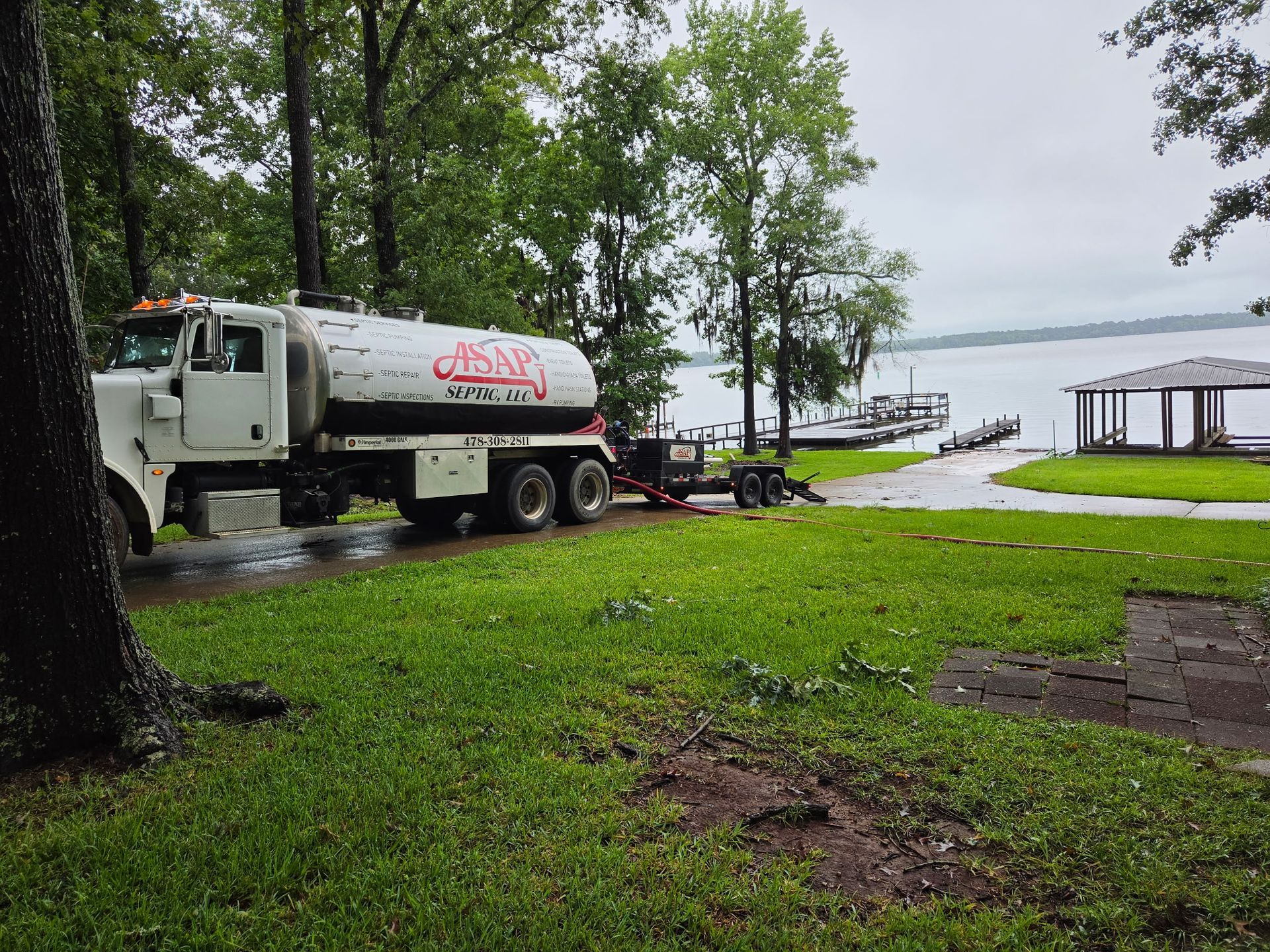
You receive a service appointment window, and a technician arrives with a vacuum truck equipped to pump tanks up to fifteen hundred gallons or larger. The crew locates your tank lid, removes the cover, measures sludge and scum layers with a depth probe, and vacuums out all liquids and solids until the tank interior is visible. During pumping, the technician inspects baffles, checks for cracks in the concrete or fiberglass shell, and notes any structural damage or root intrusion that could compromise future performance.
After the tank is empty, you see clear access to inlet and outlet pipes, and the technician can confirm that wastewater flows freely through the system without obstruction. ASAP Septic, LLC hauls waste to a licensed disposal facility that meets state and local regulations, ensuring that septage does not contaminate groundwater or surface water. If the inspection reveals a broken baffle or cracked tank wall, you receive a written summary of needed repairs with cost estimates and a timeline for completing the work.
Routine pumping every three to five years prevents solids from migrating into the drain field, where they clog soil pores and cause permanent system failure. Properties with garbage disposals, high water use, or older tanks may require more frequent service. New system installations include soil percolation testing, health department permit approval, and placement of a tank and drain field designed to handle your daily wastewater volume without exceeding the absorption capacity of your soil.
Questions About Septic Systems and Service Timing
Homeowners in Warner Robbins often ask about pumping schedules, warning signs of system trouble, and what to expect during inspections or repairs.
How often does a septic tank need pumping?
Most residential tanks require pumping every three to five years, depending on household size and water usage, but you may need service sooner if you notice slow drains or sewage odors near the tank.
What does a septic inspection include?
The technician removes the tank lid, measures sludge depth, checks baffles and pipe integrity, inspects for cracks or leaks, and tests that effluent flows properly into the drain field.
When should you repair instead of replace a septic system?
You repair when a single component such as a baffle, pump, or pipe section has failed but the tank and drain field remain structurally sound and the soil still absorbs wastewater at design rates.
Why does grass stay wet over the drain field?
Persistent wet spots indicate that the drain field is saturated because solids have clogged soil pores, the tank is full and overflowing, or the distribution box is not evenly dispersing effluent across all lateral lines.
What happens to waste after pumping?
ASAP Septic, LLC transports septage to a state-approved treatment facility in Middle Georgia where solids are processed according to environmental regulations before safe discharge or land application.
Contact ASAP Septic, LLC to arrange a septic system evaluation or to book your next pumping service before slow drains turn into full backups that require emergency response.